AI's Impact on Cybersecurity: What SMBs Need to Know
Artificial intelligence (AI) is no longer just for big tech companies; it's rapidly becoming part of how all businesses operate, including yours. But while AI offers exciting new tools, it also brings fresh challenges to keeping your business safe from cyber threats. If you're running a shop in Wynwood or a dental practice in Coral Gables, you need to understand how AI is changing the game for cybersecurity.
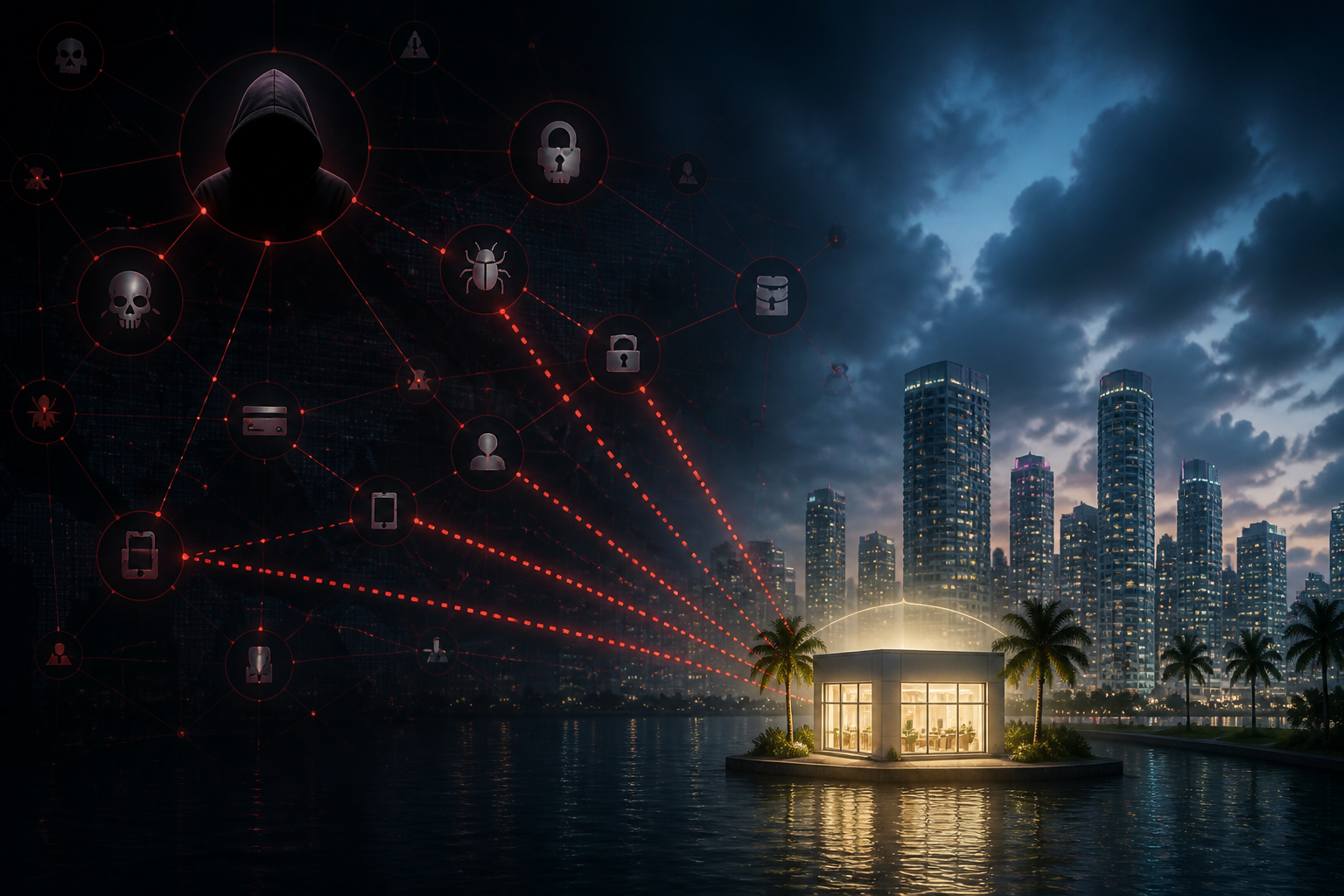
Cybercriminals are already using AI to make their attacks more effective, from crafting convincing phishing emails to automating how they scout out vulnerabilities in your systems. But the real shift we're seeing, especially highlighted in recent cybersecurity reports, is how businesses using AI themselves are creating new risks. Even when implemented with the best intentions, the way AI moves and stores data can expose your business in unexpected ways.
Your Business's Digital Footprint is Changing
Think about how your business IT setup has evolved in just the last couple of years. Many companies, whether they're an accounting firm in South Floirda or a family-owned construction business, are now relying on cloud-based software, automated workflows, and even early forms of AI. This means your sensitive information isn't just sitting on one server in your office anymore.
Data is now spread out across different cloud services, your own internal systems, and temporary storage used when AI tools are processing information. This 'data in motion' is constantly flowing between different applications and automated systems, often without direct human involvement. Every new place your data goes, or every new connection it makes, can become a potential weak point an attacker could exploit.
Traditional security tools, designed for a simpler IT world, often struggle to keep up with this complex new landscape. They look for known threats using rigid rules, but this fluid environment where AI tools and other automated systems connect makes it harder to spot something out of place. It's like trying to guard a multi-lane highway with a single stop sign.
The Rise of 'Non-Human Identities'
In the past, security mostly focused on people accessing your systems. Now, with AI and automation, there are many more 'non-human identities' (NHIs) accessing your data. These are things like automated bots, AI agents, or specialized software tools that perform tasks behind the scenes. In many businesses, these automated identities now outnumber your actual employees.
These NHIs need credentials and permissions, just like people, to do their jobs. But they often operate continuously and might accumulate more access rights than they truly need if not managed carefully. If one of these non-human identities is compromised, it can open a wide door for an attacker to move freely through your systems, potentially causing a lot more damage than if a single employee's account was breached.
Identity as Your New Front Line
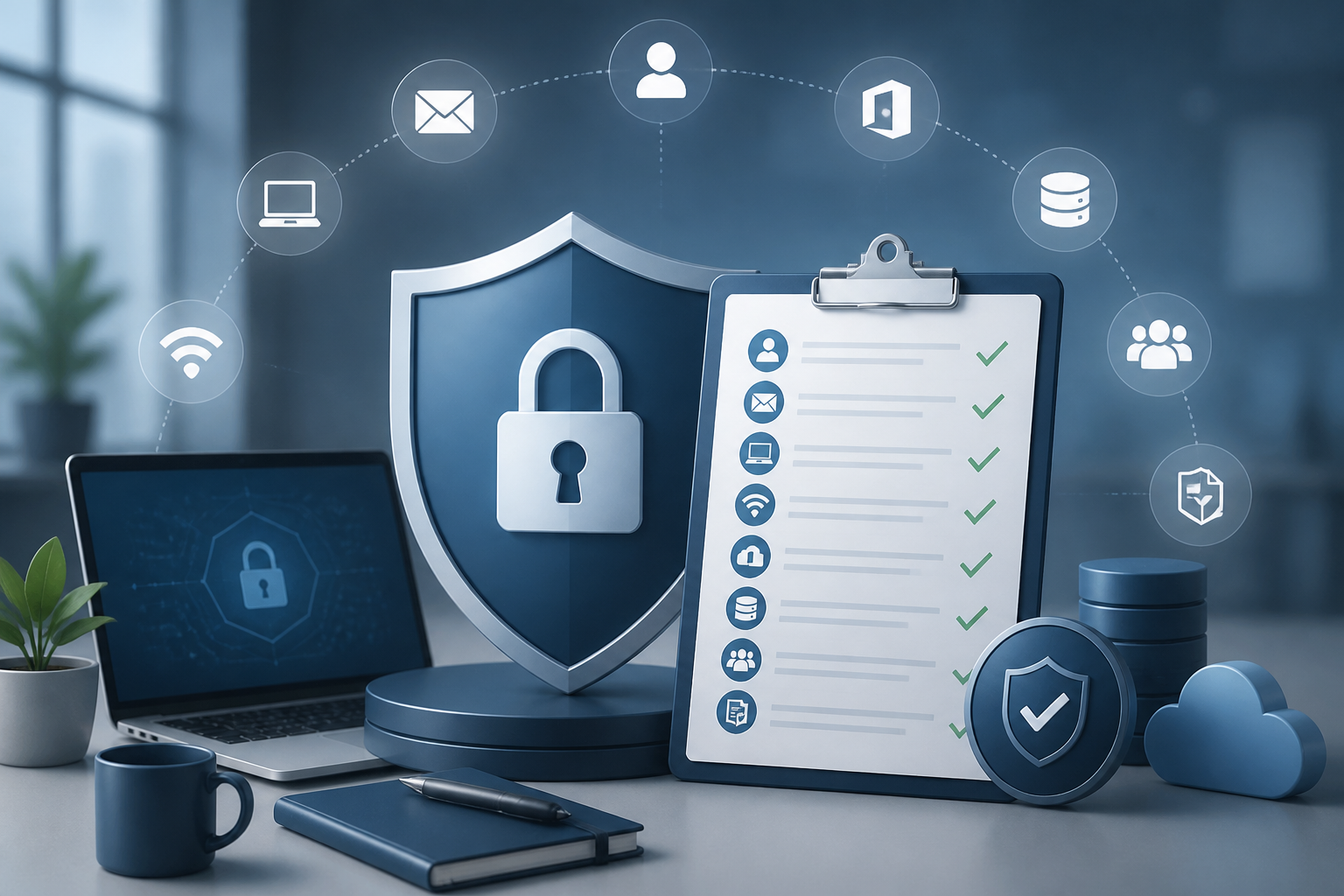
Since data is everywhere and constantly moving, and there's no single 'edge' to your network to defend, security must now focus on who or what is trying to access your information. This is called 'identity-first security' – thinking about every interaction, whether from a person or an AI, as needing continuous verification. If your business needs help fortifying its digital defenses, our team specializing in [cybersecurity](/services/cybersecurity) can guide you.
This means ensuring that both human and non-human identities have only the minimum access they need, and only for the short time they need it. This approach is called 'least privilege.' It's also about validating every connection and ensuring data is protected, whether it's sitting still or actively moving. This goes hand-in-hand with principles like Zero Trust, which means never automatically trusting any user or device inside or outside your network, and always verifying.
Even with the best identity management, breaches can still happen. That's why having advanced detection systems is crucial. These systems, often backed by AI themselves, can learn what's normal behavior in your network and flag anything unusual. When paired with human experts – people who understand your business and can make smart decisions – these tools can catch serious threats that might otherwise slip through. For South Florida businesses, having robust [cybersecurity](/services/cybersecurity) safeguards is non-negotiable in today's threat landscape.
The Human Element Remains Key
While AI is a powerful tool for both attackers and defenders, it's not a silver bullet. The best security strategy combines smart technology with experienced people. AI can sift through massive amounts of data and spot anomalies, but it's human judgment that determines if an alert is a false alarm or a genuine threat that needs immediate attention. An analyst can look at a strange login attempt from Kendall and quickly decide if it's a new remote employee or a real attack, something an AI might struggle with on its own.
This means investing in training for your team, understanding the basics of how AI is being used in your business, and having clear procedures for what to do if a security incident occurs. It's about building a robust defense that combines the speed of AI with the irreplaceable intelligence of human oversight.
Actionable Takeaway: This week, take inventory of any AI tools or services your business is currently using, even informally. For each, identify what data they access and where that data goes. Then, review the access permissions for these tools and for your employees, ensuring they all follow the principle of 'least privilege' – only granting the minimum access needed for their tasks. This simple step can significantly reduce your risk exposure.
About NerdTeck
NerdTeck is a Miami-based managed service provider delivering IT support, cybersecurity, Microsoft 365, connectivity, and low-voltage security to small and midsize businesses across South Florida since 2009. We work with companies of 10–250 employees on flat per-user monthly pricing, with most tickets answered in under 15 minutes during business hours. Talk to our team.